
The Qingming Festival, also known as the Outing Festival, Ancestor Worship Festival, or March Festival, is celebrated annually between April 4 and 6. It is a time for honoring ancestors and maintaining tombs, originating from ancient customs of ancestor beliefs and spring sacrifices. This festival holds both natural and cultural significance as a solar term and one of China’s four major traditional festivals, alongside the Spring Festival, Dragon Boat Festival, and Mid-Autumn Festival.
Drilling is a fundamental operation across various industries, but it can present several challenges that may lead to defects and increased costs. This article identifies the most frequent drilling problems, such as drill deviation, overheating, breakage, burr formation, and rapid wear, and provides practical solutions to mitigate these issues. Understanding these problems is crucial for improving efficiency and ensuring high-quality results in drilling tasks.
Foundation drilling presents a unique set of challenges that can disrupt project timelines, inflate budgets, and compromise safety. From difficult ground conditions to equipment failures and environmental concerns, successful execution demands thorough preparation, the right tools, and a skilled team. This guide highlights common challenges in foundation drilling and provides effective solutions and expert tips to help contractors navigate their next project.
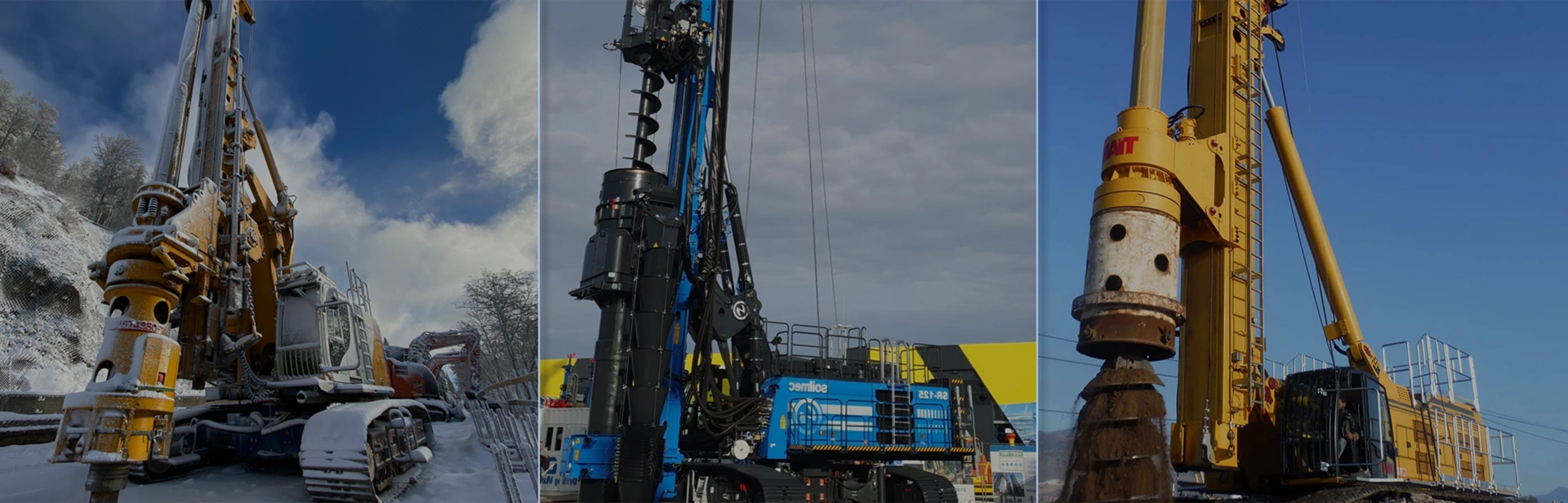
The maintenance of pile drilling rigs presents many challenges, especially in regions with limited resources. A recent discussion among professionals raised concerns about which parts of these rigs fail most often, particularly those from manufacturers like Soilmec and Bauer. It was noted that diesel and hydraulic issues are generally easy to address in developing countries. However, the focus shifted to other parts like tracks and Kelly bars, which may wear out faster.
In today’s competitive and cost-sensitive foundation drilling industry, efficiency is paramount, as even minor delays can lead to significant setbacks and increased expenses. This guide provides actionable tips designed to boost efficiency, reduce downtime, and optimize overall project outcomes. We outline ten key tips, ranging from thorough pre-project planning and selecting the right equipment to investing in operator training, leveraging technology, and employing effective project management strategies.
We are excited to confirm the shipment of high-quality undercarriage parts designed for Bauer BG24, BG18, and MBG24 Rotary Drilling Rigs. These components are vital for enhancing the performance and longevity of your equipment, ensuring smooth operation in demanding conditions.
In foundation drilling projects, choosing the right auger is crucial to ensure efficiency, safety, and the success of the project. Augers come in various types, each designed to handle specific soil conditions and project requirements. Below is a comprehensive guide to understanding different types of augers and the key factors influencing auger selection.
When it comes to heavy machinery, the undercarriage plays a vital role in ensuring smooth operation and durability. Among the key components of the undercarriage, track shoes are crucial for providing traction, flotation, and maintaining the overall integrity of the system. In this article, we’ll explore the useful life and structural integrity of track shoes, the impact of track shoe width, and tips for selecting the right track shoe to maximize performance.
The quality and uniformity of the material are crucial in the manufacturing of high-performance track shoes for heavy machinery. To produce track shoes with the required performance characteristics, it is essential to ensure that the forgings have a consistent structure and grain size and are free from any forging defects.
The Spring Festival is one of the most important festivals in Chinese traditional culture and is an annual family reunion time.
Ensuring the longevity and optimal performance of your machinery relies heavily on the regular inspection and maintenance of key components like idlers and rollers. These vital parts play a significant role in the smooth operation of various systems, and maintaining them can help you avoid expensive repairs and extend the lifespan of your equipment.
A brand new year brings new beginnings, and we’re excited to announce that our first shipment of 2025 is officially on its way! This shipment includes crucial parts to keep the machinery running smoothly and efficiently.










Copyright © 2026 by Yantai Orient Heavy Industry Technology Co., Ltd. All Rights Reserved
Privacy Policy