


Key Notes for Casing Installation During Rotary Drilling Rig Pile Driving








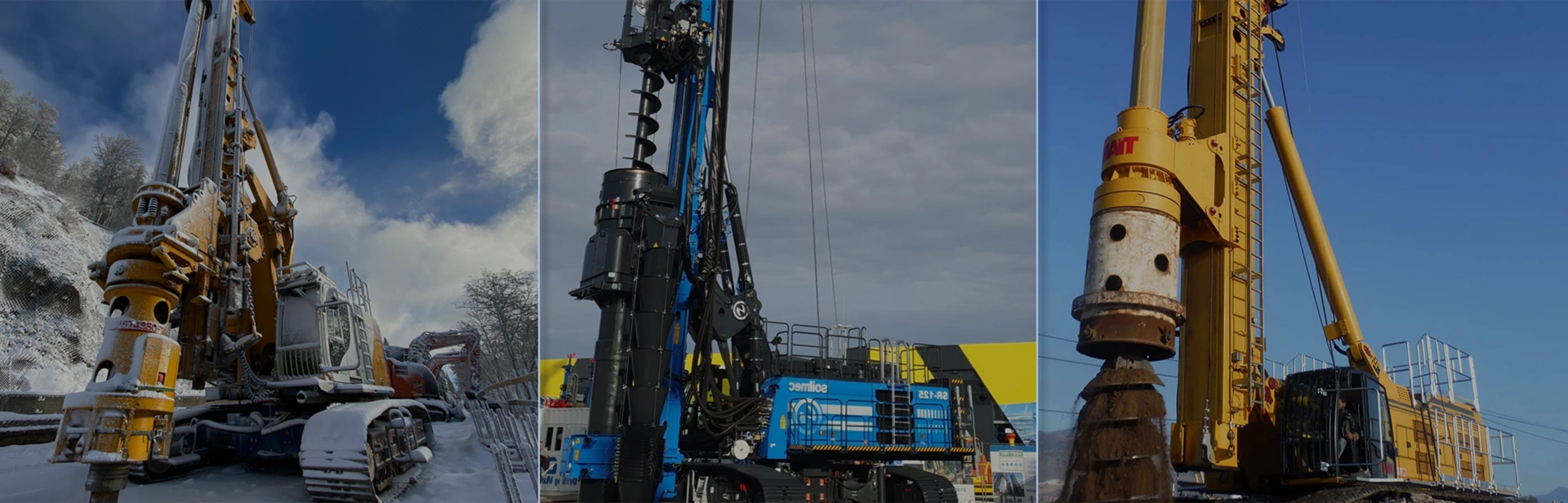
Rotary drilling rigs are widely used in various pile foundation construction projects. Casing installation is an indispensable and critical procedure in pile driving operations. The main functions of installing drill casings are to protect pile holes, prevent soil layer collapse and debris intrusion, and guarantee pile verticality and overall construction safety. This article summarizes the key technical precautions for casing installation during rotary drilling rig pile driving construction.
1. Casing Material and Size Selection
Steel casings are the most commonly used type for rotary drilling pile driving due to their high structural strength and excellent durability. The diameter and length of the steel casing must be determined according to the designed pile diameter and drilling depth. All selected casing materials and specifications need to strictly comply with industry construction standards and project design requirements, ensuring effective and long-term pile hole protection throughout the construction process.
2. Casing Installation Positioning
Accurate and stable installation is the premise of casing performance. The center line of the casing must be completely aligned with the pile hole center line. Construction workers need to adopt professional measuring tools such as levels to calibrate and adjust the casing repeatedly during installation. It is essential to guarantee the verticality and overall stability of the casing and avoid position deviation or inclination during subsequent drilling and pile driving operations.
3. Casing Connection Methods
Flange connection and welding connection are the two mainstream connection methods for drilling steel casings. During the connecting process, constructors must ensure tight fixation and superior sealing performance to prevent water and air leakage. Regular inspection of connection joints is required to check structural strength and stability, effectively avoiding joint loosening, cracking and other failures that affect construction progress.
4. Casing Burial Depth Standard
The burial depth of the drill casing should be adjusted according to on-site soil conditions, groundwater level and other geological factors. Sufficient burial depth is vital to prevent side soil collapse and external debris from entering the pile hole. Construction teams must verify whether the burial depth meets design specifications to prevent pile hole deviation and inclination caused by shallow casing burial.
5. Casing Sealing Performance Inspection
Good casing tightness is crucial for standard pile foundation construction. A well-sealed casing can effectively isolate underground water and gas outside the pile hole. Workers need to inspect the sealing condition before and during construction. Any water leakage or air leakage problems must be handled timely. Meanwhile, keep the inside of the casing clean to prevent foreign matter from affecting pile forming quality and construction safety.
Conclusion
Casing installation is a core procedure that determines the quality and safety of rotary drilling pile foundation projects. Construction personnel must strictly follow construction specifications in terms of casing material selection, positioning, connection, burial depth and sealing treatment. Standardized casing installation operations can effectively stabilize pile holes, reduce construction risks, and ensure high-quality completion of pile driving projects.
Related News
Complete preparation is the foundation of high-quality slope pile construction. First, workers need to clean and level the construction site thoroughly to ensure a flat and stable
Steel casings are the most commonly used type for rotary drilling pile driving due to their high structural strength and excellent durability. The diameter and length of the steel
Different rotary drilling rig models feature distinct parameters including power, torque and rotating speed, which adapt to different geological conditions and construction scenari
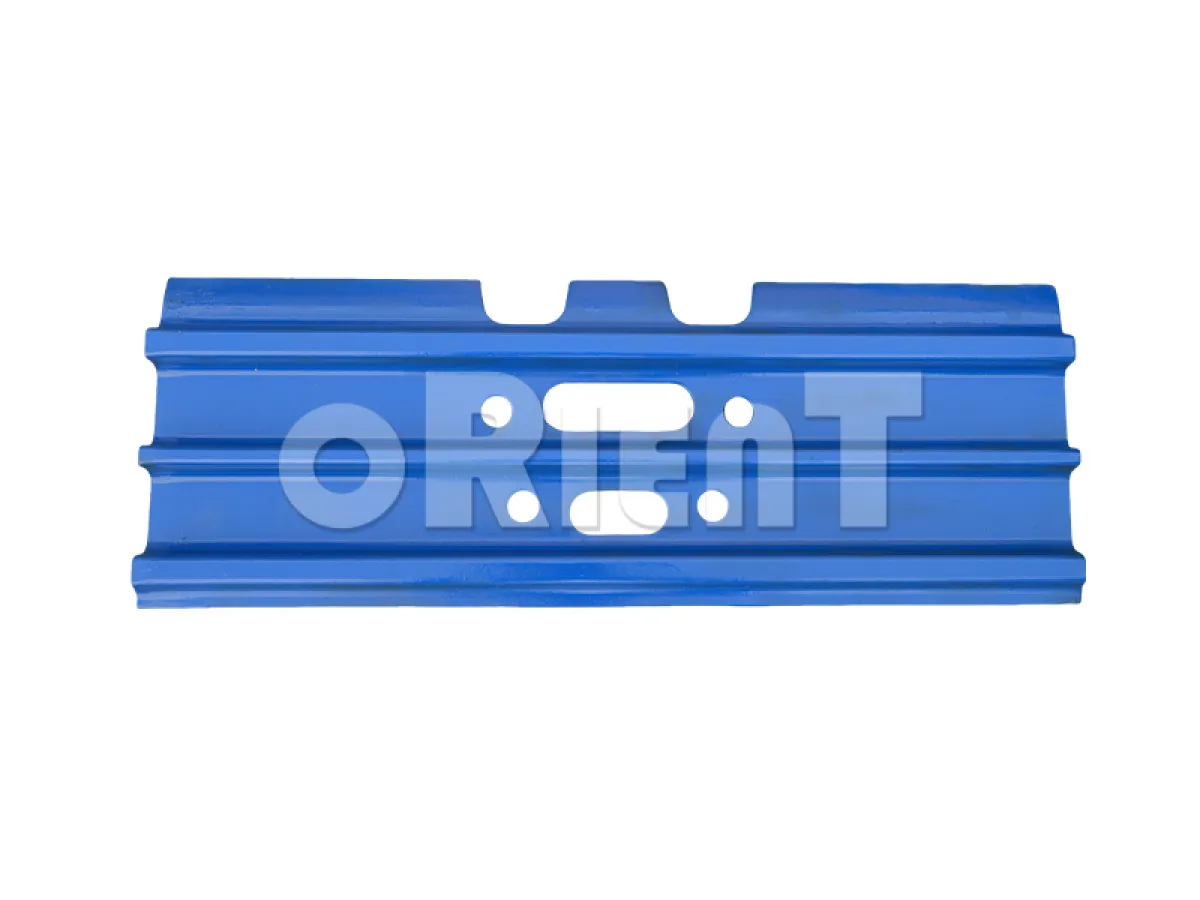
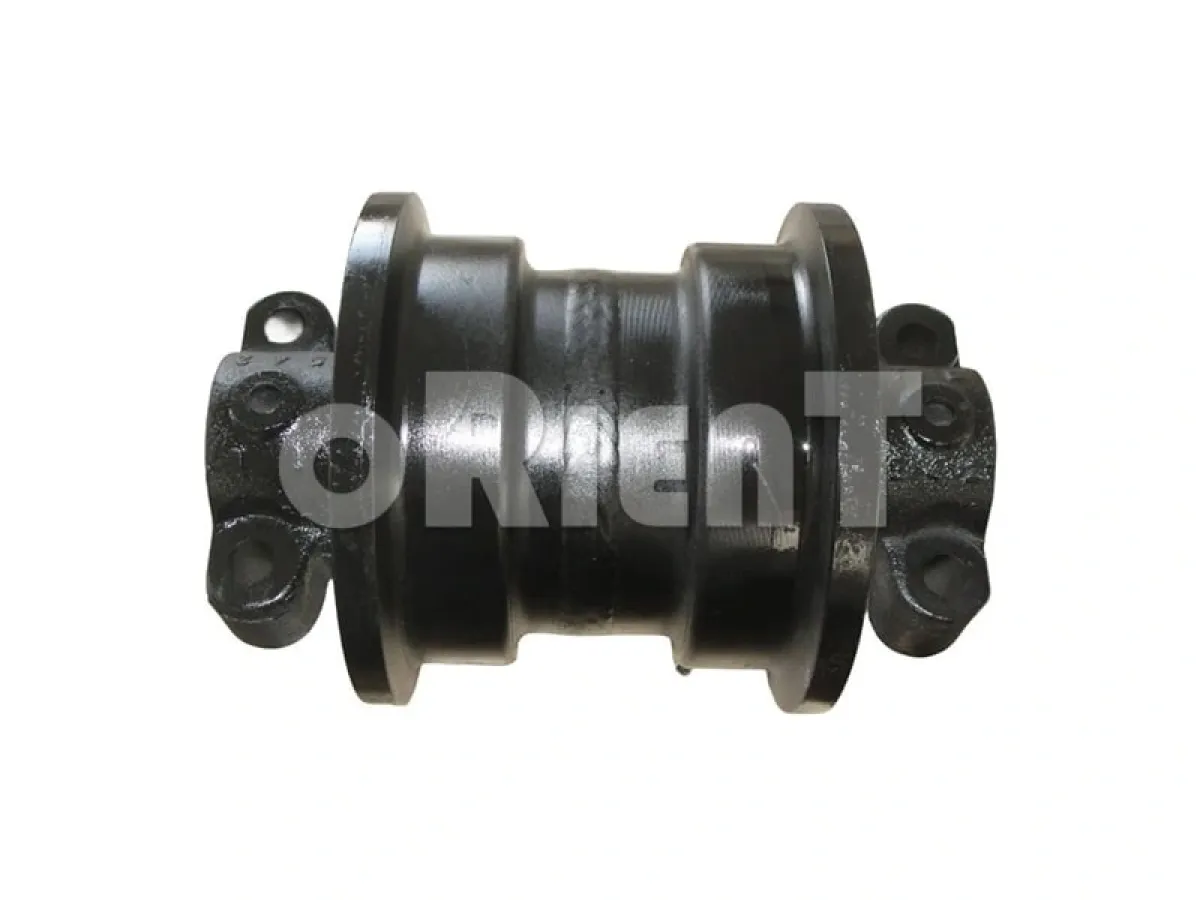
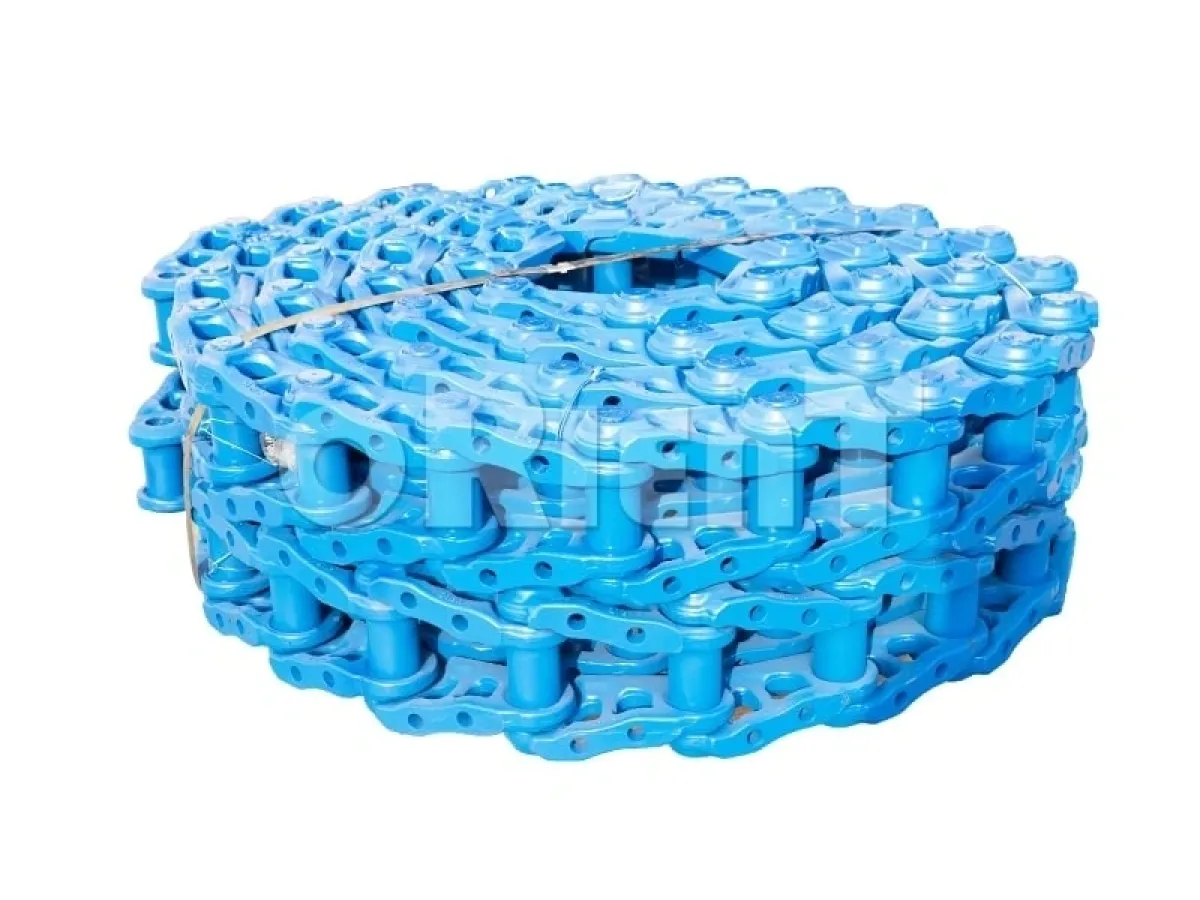
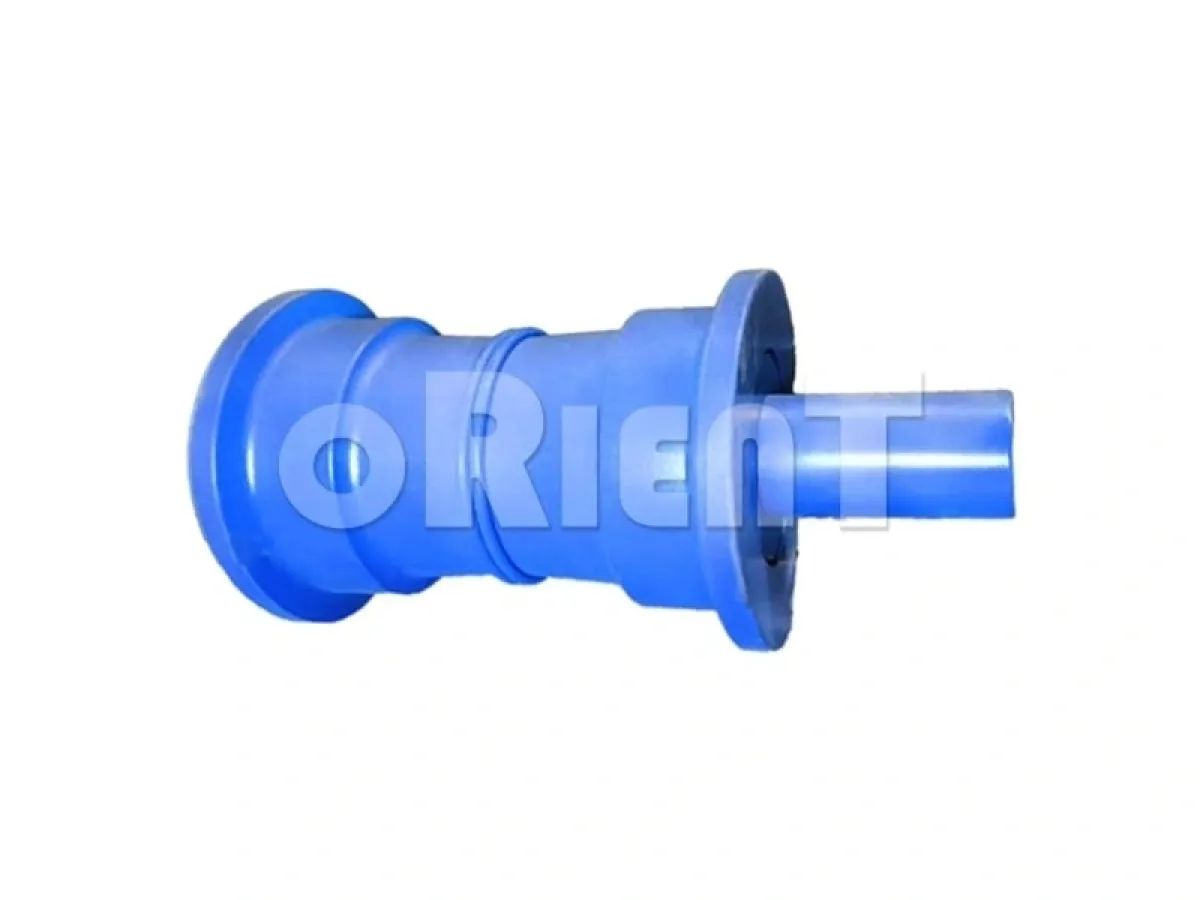
All these crawler parts are manufactured with advanced forging processes and strict heat treatment procedures. Optimized material selection greatly improves wear resistance and loa
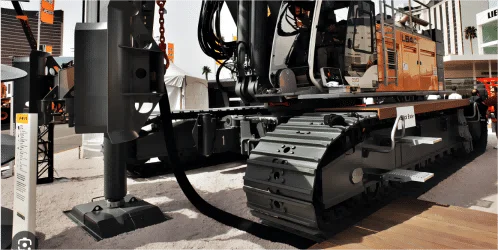
The first maintenance time for diesel engines is 100 hours, and thereafter every 250 hours, the oil filter and oil should be replaced. The Gear oil shall be replaced every 500 hours, and the Gear oil in the large box shall be replaced every 1000 hours. The hydraulic oil is filtered every 500 hours, replaced completely within the first 1500 hours, and replaced every 2500 hours thereafter (including filter replacement).
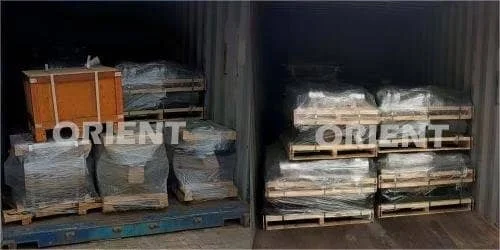
Our high-quality Soilmec SR70 undercarriage parts are now ready for shipment. Date: 21th,July, 2023 Description of Goods: Track Link Assembly, Track Roller, Carrier Roller, Track Shoes, Idler, Sprocket. Total Weight: 25000KGS Package: 26Packages Measurement: 18CBM
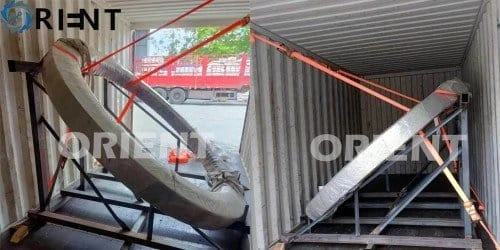
Congratulations! We are thrilled to announce that our company has successfully completed the production of high-quality slewing bearings and has recently shipped them to Europe. The technology and engineering expertise invested in the manufacturing process ensure that our bearings meet the highest industry standards and will deliver exceptional performance.
Congratulations! We are thrilled to announce that our company has successfully completed the production of high-quality slewing bearings and has recently shipped them to Europe. The technology and engineering expertise invested in the manufacturing process ensure that our bearings meet the highest industry standards and will deliver exceptional performance.
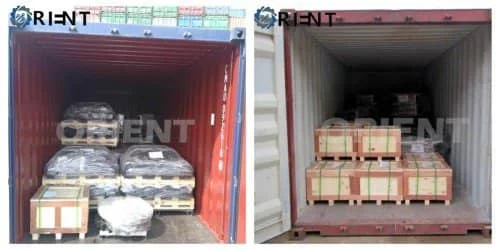
Yantai Orient's Recent Full Container Shipment of Undercarriage Parts ·Container Size: 20'GP ·Main Products: Track Shoes, Track Rollers, Carrier Rollers, Idlers, Sprockets and Track Chains. ·Types of Machinery We Supply: Rotary Drilling Rigs, Crawler Cranes, Bulldozers And Mining Excavators.
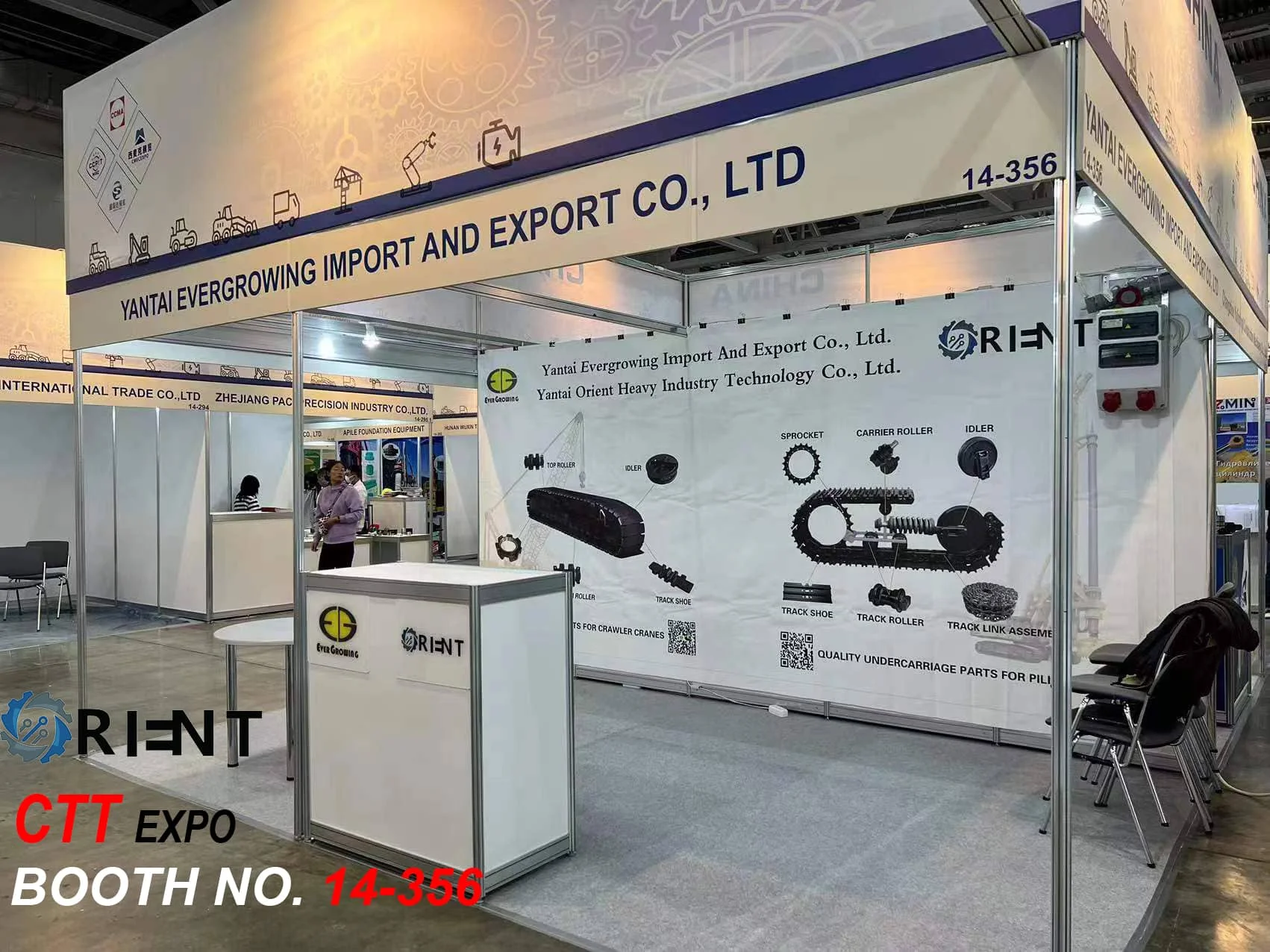
Yantai Orient will participate in the 2023 CTT EXPO held in Moscow from May 23rd to 26th. Today, Yantai Orient is actively organizing the exhibition and preparing for tomorrow's exhibition. We sincerely invite you and your company to meet at booth 14-356.