



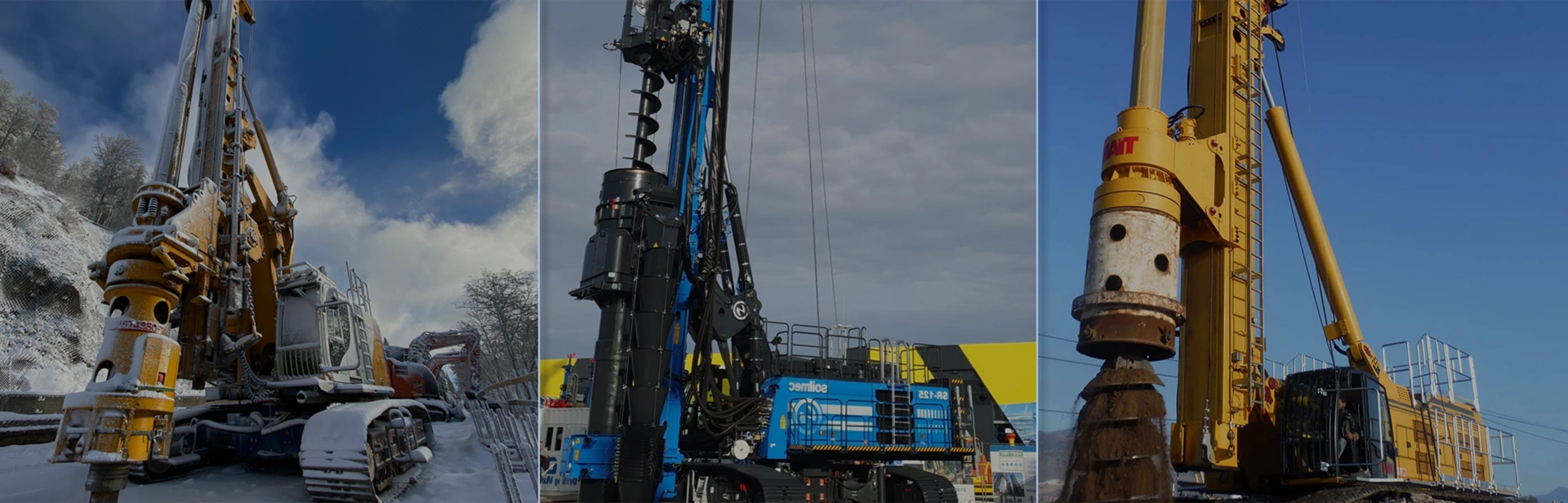
Key Precautions for Rotary Drilling Rig Construction of Slope Protection Piles








Slope protection pile construction is a vital part of slope stabilization and foundation engineering projects. Rotary drilling rigs are widely used for drilling slope protection piles due to their high efficiency and stable performance. Different from conventional foundation piles, slope protection pile construction has stricter requirements for construction accuracy and operational safety. This article summarizes the key points that need attention during rotary drilling rig slope protection pile construction.
1. Adequate Pre-Construction Preparation Work
Complete preparation is the foundation of high-quality slope pile construction. First, workers need to clean and level the construction site thoroughly to ensure a flat and stable working ground for the rotary drilling rig, preventing equipment tilting during operation. Second, comprehensive inspection of the drilling equipment is required. It is necessary to check the integrity of key components including drill bits, drill rods and transmission systems, and replace severely worn or damaged parts in advance to avoid construction failures.
In addition, construction personnel must confirm the exact position and drilling depth of slope protection piles in accordance with design drawings. Professional surveying and positioning work should be carried out strictly following industry specifications to lay a solid foundation for subsequent formal drilling operations.
2. Strict Control of the Drilling Process
Real-time process control is critical to guarantee the quality of slope protection piles. During drilling, constructors shall select matched drill bits and formulate reasonable drilling depth standards based on on-site geological conditions and design requirements. It is essential to control drilling speed and feeding pressure stably. Excessively fast drilling will accelerate drill bit wear and cause hole wall collapse, while overly slow speed will reduce construction efficiency.
Operators need to monitor the verticality and real-time depth of the pile hole at all times, and adjust the rig’s position and angle timely to ensure accurate drilling position. Meanwhile, pay close attention to geological changes during drilling. Once abnormal soil or rock conditions are found, corresponding remedial measures must be taken immediately to avoid hidden construction risks.
3. Standard Inspection of Pile Hole Forming Quality
Hole forming quality directly determines the overall stability and bearing capacity of slope protection piles. After drilling is completed, professional quality inspection must be implemented with standard testing methods such as ultrasonic testing and ray testing. All inspection work shall be operated in strict accordance with industry codes and specifications to ensure authentic and accurate test results.
If unqualified hole quality including hole deviation, hole wall damage or residual sediment is detected, workers must take timely remedial measures such as hole cleaning and hole repairing to meet the standard construction requirements before the next construction procedure.
Conclusion
Slope protection pile construction puts forward high requirements for equipment operation and on-site management. Standardized pre-construction preparation, precise drilling process control and strict hole quality inspection are three core guarantees for successful slope pile projects. Strict implementation of the above construction precautions can effectively improve construction quality, eliminate potential safety hazards and ensure the long-term stability of engineering slopes.
Related News
Complete preparation is the foundation of high-quality slope pile construction. First, workers need to clean and level the construction site thoroughly to ensure a flat and stable
Steel casings are the most commonly used type for rotary drilling pile driving due to their high structural strength and excellent durability. The diameter and length of the steel
Different rotary drilling rig models feature distinct parameters including power, torque and rotating speed, which adapt to different geological conditions and construction scenari
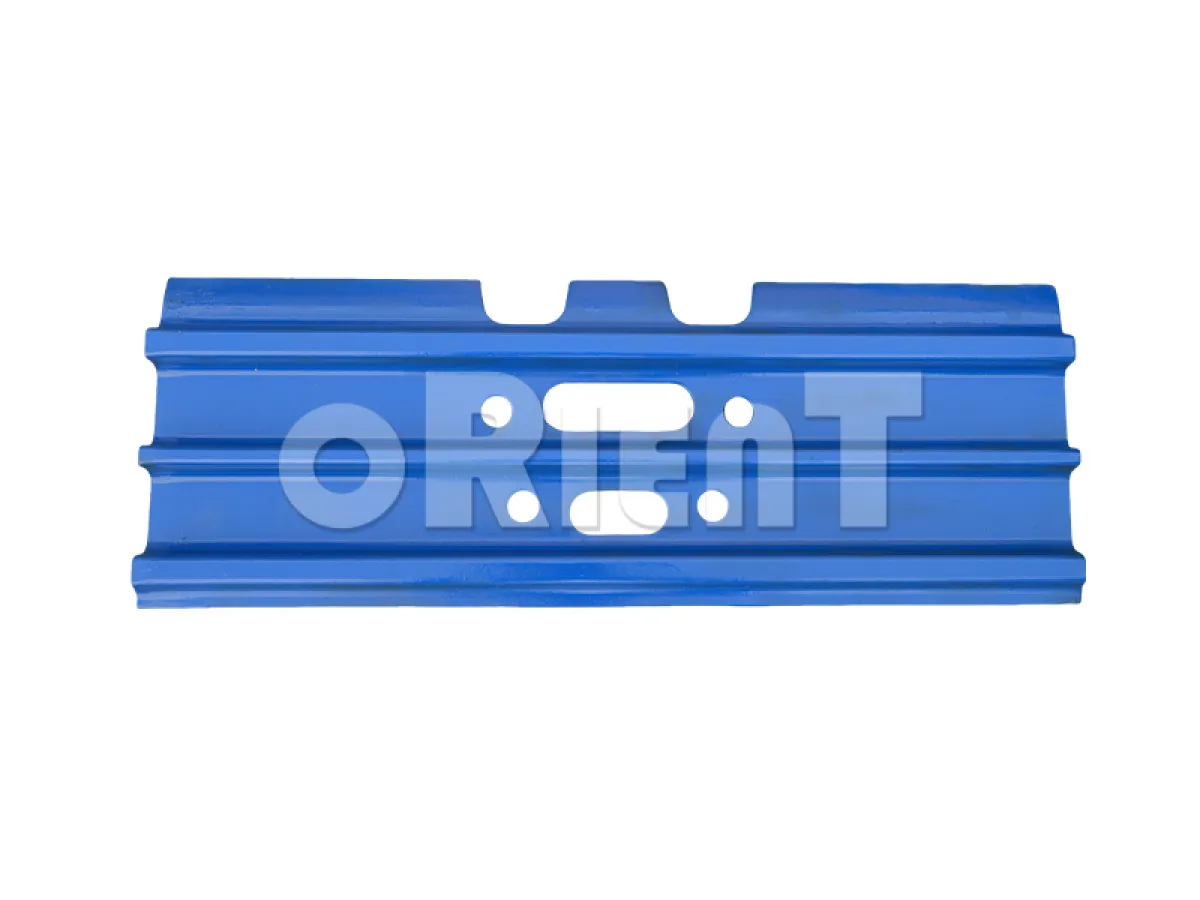
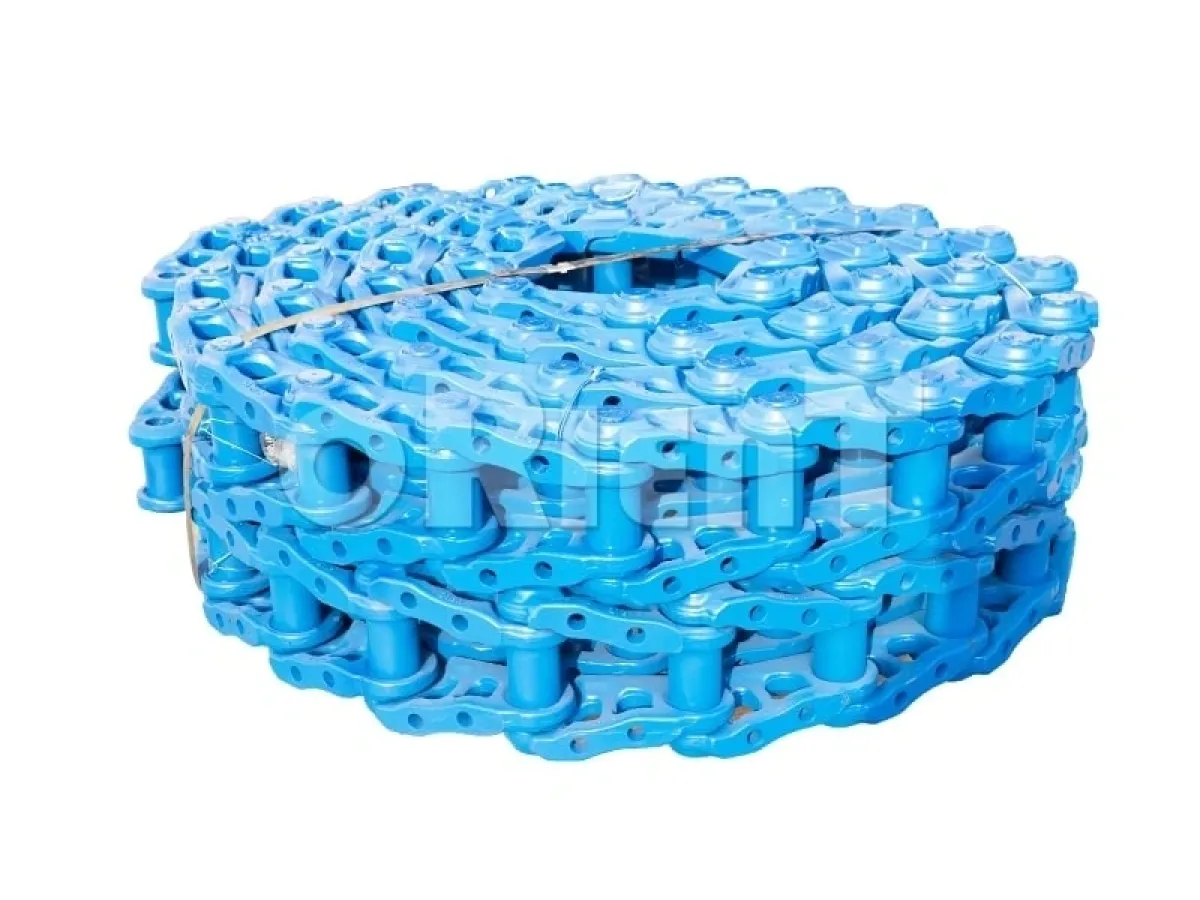
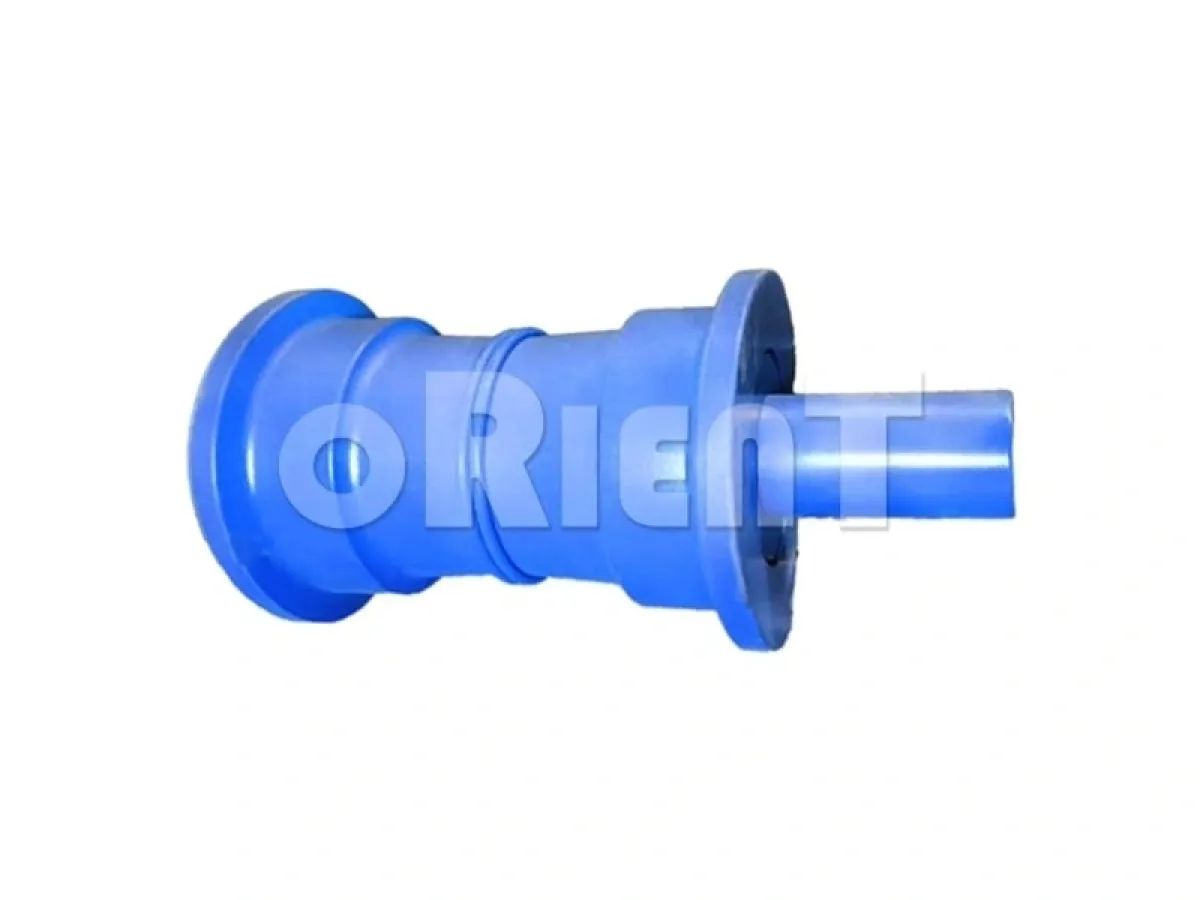
All these crawler parts are manufactured with advanced forging processes and strict heat treatment procedures. Optimized material selection greatly improves wear resistance and loa
The first maintenance time for diesel engines is 100 hours, and thereafter every 250 hours, the oil filter and oil should be replaced. The Gear oil shall be replaced every 500 hours, and the Gear oil in the large box shall be replaced every 1000 hours. The hydraulic oil is filtered every 500 hours, replaced completely within the first 1500 hours, and replaced every 2500 hours thereafter (including filter replacement).
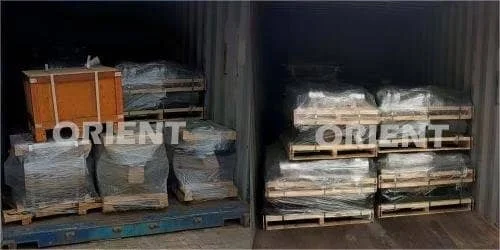
Our high-quality Soilmec SR70 undercarriage parts are now ready for shipment. Date: 21th,July, 2023 Description of Goods: Track Link Assembly, Track Roller, Carrier Roller, Track Shoes, Idler, Sprocket. Total Weight: 25000KGS Package: 26Packages Measurement: 18CBM
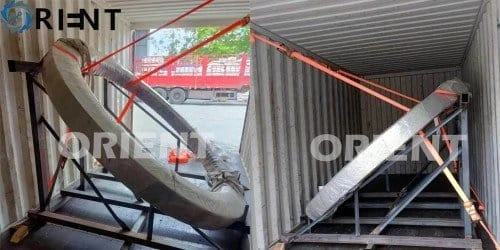
Congratulations! We are thrilled to announce that our company has successfully completed the production of high-quality slewing bearings and has recently shipped them to Europe. The technology and engineering expertise invested in the manufacturing process ensure that our bearings meet the highest industry standards and will deliver exceptional performance.
Congratulations! We are thrilled to announce that our company has successfully completed the production of high-quality slewing bearings and has recently shipped them to Europe. The technology and engineering expertise invested in the manufacturing process ensure that our bearings meet the highest industry standards and will deliver exceptional performance.
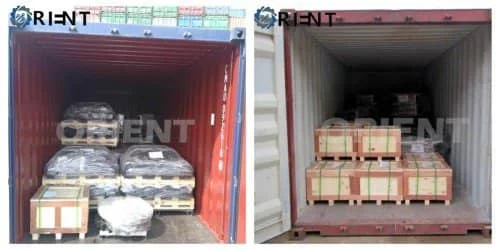
Yantai Orient's Recent Full Container Shipment of Undercarriage Parts ·Container Size: 20'GP ·Main Products: Track Shoes, Track Rollers, Carrier Rollers, Idlers, Sprockets and Track Chains. ·Types of Machinery We Supply: Rotary Drilling Rigs, Crawler Cranes, Bulldozers And Mining Excavators.
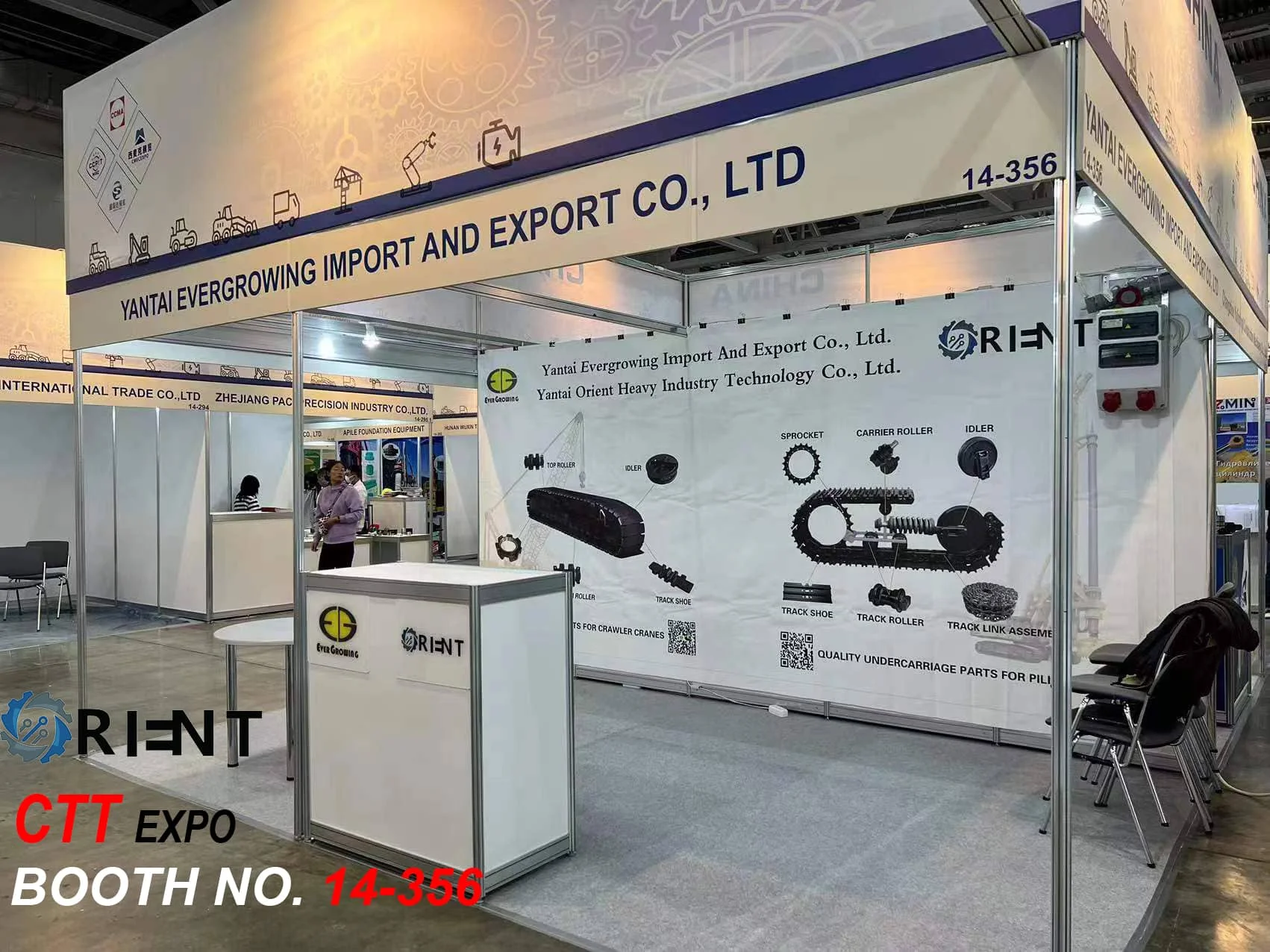
Yantai Orient will participate in the 2023 CTT EXPO held in Moscow from May 23rd to 26th. Today, Yantai Orient is actively organizing the exhibition and preparing for tomorrow's exhibition. We sincerely invite you and your company to meet at booth 14-356.